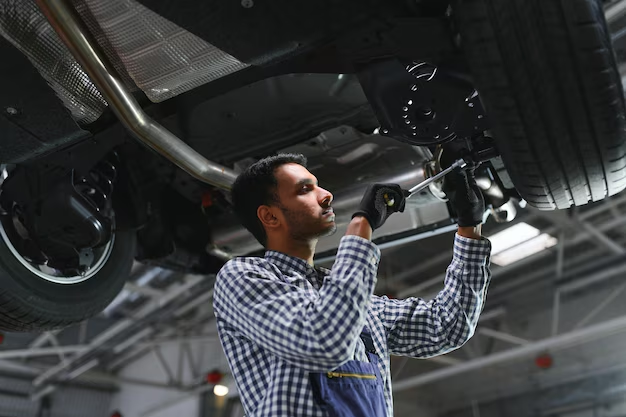
car-mechanic-is-checking-lifted-car

When to Seek Transmission Repair: Key Signs Your Car Needs It

Driving through the scenic roads of Middletown, CT, can be a joy—unless your car’s transmission starts acting up. For many drivers, the transmission remains a mystery until something goes wrong. Understanding when to seek transmission repair can save you from hefty repair bills and keep your vehicle running smoothly. In this guide, we’ll walk you through the key signs that indicate your car needs transmission repair and what steps you can take to prevent further issues.

Understanding Your Car’s Transmission

Before diving into the signs of trouble, it’s essential to understand what the transmission does. The transmission is a vital component that ensures your car’s engine operates efficiently by shifting gears. There are two main types: automatic and manual. While automatic transmissions shift gears on their own, manual transmissions require driver input to change gears. Both types need regular maintenance to function correctly.

The Role of Automatic Transmission

Automatic transmissions use a complex system of gears and sensors to shift gears automatically. This system is convenient but can be prone to wear and tear over time. If you notice any unusual behavior, it’s crucial to address it quickly to prevent more severe damage. For instance, if you’re driving along the winding roads of Middletown and your car suddenly struggles to accelerate, it might be an early sign of a transmission issue.

Automatic transmission repairs can vary significantly in cost, ranging from a few hundred dollars for minor fixes to several thousand for more extensive repairs. Regular maintenance and immediate attention to small issues can help avoid these hefty costs.

Manual Transmission Basics

Manual transmissions, on the other hand, involve a stick shift and a clutch pedal. They generally require less maintenance but are not immune to problems. Recognizing early signs of trouble, such as difficulty engaging gears or a slipping clutch, can help prevent costly repairs down the road. Imagine cruising through downtown Middletown and struggling to shift gears smoothly—that’s a situation no driver wants.

Manual transmission repairs can be slightly less expensive than their automatic counterparts, often because they involve fewer complex components, but they can still reach into the thousands depending on the issue. Regular checks and proper handling are key to avoiding these expenses.

Key Signs Your Transmission Needs Repair

Being aware of the symptoms of transmission issues can help you address problems before they escalate. Here are some of the most common signs your car might need transmission repair.

Unusual Sounds

If you hear grinding, whining, or humming noises when your car is in gear, it could indicate a problem. These sounds are often a sign of worn-out gears or low transmission fluid levels. Imagine driving on a quiet country road and suddenly noticing a persistent whining noise—this could be your car’s way of asking for help.

Grinding or Shaking

In manual transmissions, grinding noises during shifts might suggest a worn clutch or other component issues. For automatic transmissions, shaking or grinding can indicate more severe problems that require professional attention. This kind of response is not only unsettling but can also signal that urgent care is needed.

Fluid Leaks

Transmission fluid is crucial for lubricating and cooling the transmission system. If you notice red or brown fluid leaking under your car, it’s time to get it checked. Ignoring leaks can lead to a low fluid level, causing significant damage. It’s like ignoring a small puddle under your car in your driveway—what seems minor can quickly escalate.

Slipping Gears

A slipping transmission can feel like your car is changing gears on its own. This can lead to a sudden loss of power and is dangerous if it occurs while driving. Slipping gears often mean the transmission needs immediate attention. Imagine the panic of accelerating onto a highway and suddenly losing power—scenarios like this highlight the importance of timely repairs.

Performance Issues

Your car’s performance can provide clues about transmission health. Watch for these signs that something might be amiss.

Delayed or Rough Shifting

If your car hesitates when shifting gears or shifts roughly, it could be a sign of a failing transmission. This can occur in both manual and automatic systems and typically requires professional diagnosis. Picture yourself at a busy Middletown intersection, only to find your car lurching as it changes gears. Not only is this inconvenient, but it’s also a safety concern.

The cost of addressing shifting issues can vary, with minor adjustments costing a few hundred dollars and major repairs potentially reaching a few thousand.

Unresponsive Transmission

When the transmission is unresponsive or sluggish, it could point to an issue with the transmission fluid or a more serious mechanical problem. If your car doesn’t move when you shift into gear, it’s time to visit a repair shop. Imagine trying to leave a parking lot, but your car refuses to respond—this lack of response can be frustrating and signals urgent attention.

Warning Lights

Modern cars come equipped with warning systems that alert you to potential issues. The check engine light might illuminate due to transmission problems. While this light can mean many things, it’s best to have it checked by a professional.

Transmission Temperature Warning

Some vehicles have a specific warning light for high transmission temperatures. If this light comes on, it’s crucial to address it immediately to avoid overheating and damage. Driving through Middletown’s summer heat can exacerbate this issue, making it essential to heed these warnings promptly.

Preventive Maintenance Tips

Regular maintenance can help prevent transmission issues. Here are some tips to keep your transmission in good shape.

Regular Fluid Checks

Check your transmission fluid regularly. Ensure it’s at the correct level and free from debris. Dirty or low transmission fluid can lead to overheating and damage. A quick check every month can save you from costly repairs down the line.

Routine Inspections

Having your transmission inspected during regular service appointments can help catch issues early. A professional can identify potential problems before they become costly repairs. Think of it as a health check-up for your car, preventing minor issues from becoming major headaches.

Seasonal Considerations

In Middletown, CT, seasonal changes can affect your car’s performance. Cold weather can thicken transmission fluid, making it harder for the transmission to operate efficiently. Regular checks are especially important before winter sets in to ensure your car handles the cold weather smoothly.

Taking Action: Why Choose Joe’s Auto Electric II

If you suspect your car needs transmission repair, it’s crucial to act quickly. Ignoring the signs can lead to more significant problems and higher repair costs. At Joe’s Auto Electric II in Middletown, CT, our skilled technicians can diagnose and repair transmission issues efficiently, ensuring your car remains in top condition.
latin-auto-mechanic-uniform-is-examining-car-while-working

Don’t wait until a minor issue becomes a major headache. Contact Joe’s Auto Electric II today to schedule a transmission inspection or repair. Our team is ready to help keep your vehicle running smoothly on the roads of Middletown. Let us provide peace of mind through expert service and preventative care.

car-repair-maintenance-theme-electric-mechanic-uniform-working-auto-service-making-car-diagnostics-using-obd-device-with-laptop

What Are Auto Diagnostics?

Auto diagnostics refer to the computerized process of identifying issues within your vehicle. This process involves using specialized software and tools that connect to your car’s onboard computer system. The primary goal is to detect any potential problems early, before they become significant issues.

This technology plays a crucial role in modern vehicle maintenance. Imagine driving home late at night when suddenly your check engine light illuminates. Without diagnostic tools, you might have no idea whether it’s a minor issue like a loose gas cap or something more serious like a failing catalytic converter. Auto diagnostics provide clarity, preventing unnecessary panic and guiding appropriate action.

How Auto Diagnostics Work

When you bring your car to a professional like Joe’s Auto Electric II for a diagnostic test, technicians use diagnostic tools to scan your vehicle’s onboard computer. These tools read error codes generated by various sensors and microchips embedded in your car. Each code corresponds to a specific issue or area of concern, such as engine performance, emissions, or electrical faults.

The process is much like visiting a doctor for a check-up. Just as medical diagnostics can detect health issues before they become critical, auto diagnostics can identify vehicle problems in their early stages. This proactive approach means that something as simple as a faulty oxygen sensor can be fixed for as little as $100 before it leads to a more costly repair like a damaged catalytic converter, which could exceed $1,500.

Common Codes and What They Mean

Understanding common diagnostic codes can help you comprehend what might be wrong with your car. For instance, a code related to the engine might indicate a misfire, while another could suggest an issue with the oxygen sensor. By identifying these codes early, you can address minor problems before they escalate into major repairs.

Consider a driver who frequently experiences rough idling. A diagnostic test might reveal a P0300 code, which indicates random engine misfires. Catching this early could mean a simple spark plug replacement, costing around $150, instead of needing a full engine rebuild, which could run several thousand dollars.

Benefits of Regular Vehicle Diagnostics

Regular diagnostic testing for cars offers numerous advantages that go beyond just keeping your vehicle running. Let’s delve into some of these benefits:

Early Detection of Issues

One of the most significant advantages of regular diagnostics is early detection. By identifying issues early, you can prevent them from developing into more severe and costly problems. For example, a minor issue with the fuel injector might only require a simple cleaning if caught early, but if left unchecked, it could lead to engine damage.

To put this into perspective, consider a vehicle owner who notices a slight decrease in fuel efficiency. A diagnostic test could show a minor fuel injector clog costing under $100 to fix. If ignored, this could lead to engine overheating and damage, resulting in repair costs of $2,500 or more.

Cost Savings in the Long Run

While it might seem like an additional expense, regular diagnostics can save you money in the long run. By pinpointing issues before they worsen, you avoid expensive repairs and replacements. For example, addressing a minor brake issue now could prevent a complete brake system overhaul later.

Preventative maintenance tips can make a significant difference here. Regularly checking and replacing brake pads, which costs around $150, can prevent rotor damage, which could inflate your bill to over $600.

Seasonal Considerations for Vehicle Diagnostics

Different seasons can affect how your car performs and the types of issues it might experience. Being proactive with diagnostics can help you prepare for these seasonal changes.

Preparing for Winter

In Middletown, CT, winters can be harsh, and your vehicle needs to be in top condition to handle the cold weather. Diagnostics can ensure your battery, antifreeze, and heating systems are functioning correctly, reducing the risk of breakdowns in freezing temperatures.

Think about the inconvenience of a dead battery on a freezing morning. Regular diagnostics and battery health checks costing around $50 can prevent a $200 towing charge and a new battery installation. 

Summer Maintenance

The summer heat can take a toll on your car’s air conditioning system and engine cooling. Regular diagnostics can check for refrigerant levels, cooling system efficiency, and other heat-related issues, ensuring a comfortable and safe drive.

A well-functioning cooling system is crucial in the heat. Replacing a coolant hose for $100 is a small price compared to the $1,500 expense of fixing an overheated engine.

Local Insights: Middletown, CT

For vehicle owners in Middletown, CT, local driving conditions and road quality can also impact your car’s health. Understanding these local factors can help you tailor your diagnostic and maintenance schedule.

Road Conditions

The roads in and around Middletown can be unpredictable, with potholes and uneven surfaces. Regular diagnostics can ensure that your suspension and alignment remain in good condition, preventing premature tire wear and damage.

Imagine the surprise of discovering uneven tire wear during a routine maintenance check. An alignment, which costs around $100, can prevent the need for new tires, saving upwards of $400.

Weather Patterns

Middletown experiences a range of weather conditions, from snowy winters to humid summers. Each season brings its own set of challenges, and regular diagnostics help ensure your vehicle is ready to face them.

The Role of Professional Car Diagnostic Services

While there are DIY diagnostic tools available, professional services offer a level of expertise and accuracy that is hard to beat. Here’s why you might want to rely on professionals like Joe’s Auto Electric II for your vehicle diagnostics.

Expertise and Experience

Professional technicians have the experience and knowledge to interpret complex diagnostic codes accurately. They can provide insights that aren’t always apparent from a simple code readout, leading to more effective repairs.

This expertise often extends to understanding the unique quirks of different car models, making their assessments invaluable. A professional might notice that a recurring code in your model year is often linked to a specific part failure, saving you time and money.

Advanced Tools and Technology

Professional auto shops use advanced diagnostic tools that offer more comprehensive and accurate readings than many consumer-grade tools. These tools can detect subtle issues that might go unnoticed otherwise.

For example, while a basic scanner might indicate a general engine problem, professional-grade tools can identify specific cylinder misfires, helping target the exact solution.

displeased-woman-having-argument-with-her-husband-about-car-repair-workshop

How Often Should You Get Diagnostics?

The frequency of diagnostic testing can depend on several factors, including your vehicle’s age, make, and model, as well as your driving habits. However, as a general rule of thumb:

Regular Check-Ups

For most vehicles, an annual diagnostic check is recommended. This allows you to catch any issues that might develop over time due to regular wear and tear.

Before Long Trips

If you’re planning a long road trip, it’s wise to get a diagnostic test before you leave. This ensures your vehicle is in good shape to handle the journey and reduces the risk of unexpected breakdowns.

Take Action Today

Don’t wait until a minor issue becomes a major repair. By incorporating regular auto diagnostics into your vehicle maintenance routine, you can ensure your car remains reliable and efficient. If you’re in Middletown, CT, and need a trustworthy place for your diagnostic needs, reach out to the experts at Joe’s Auto Electric II. Our team is ready to help keep your vehicle in top condition, so you can drive with confidence.