


When was the last time you had your wheels balanced? Many drivers overlook this crucial aspect of vehicle maintenance, yet wheel balancing plays a significant role in ensuring a smooth ride and extending tire longevity. Over time, wheels can become unbalanced due to normal wear and tear, road conditions, or even minor manufacturing inconsistencies. This imbalance can lead to uneven tire wear, vibrations, and reduced fuel efficiency, ultimately impacting the overall performance of your vehicle.

In this article, we’ll discuss the importance of wheel balancing, how to recognize when your wheels need balancing, and how this service enhances driving comfort and tire durability.
What Is Wheel Balancing?
Wheel balancing is the process of evenly distributing the weight of a wheel and tire assembly to ensure smooth rotation. When a wheel is unbalanced, it causes vibrations that affect the driving experience, leading to unnecessary wear on your vehicle’s suspension, steering components, and tires.
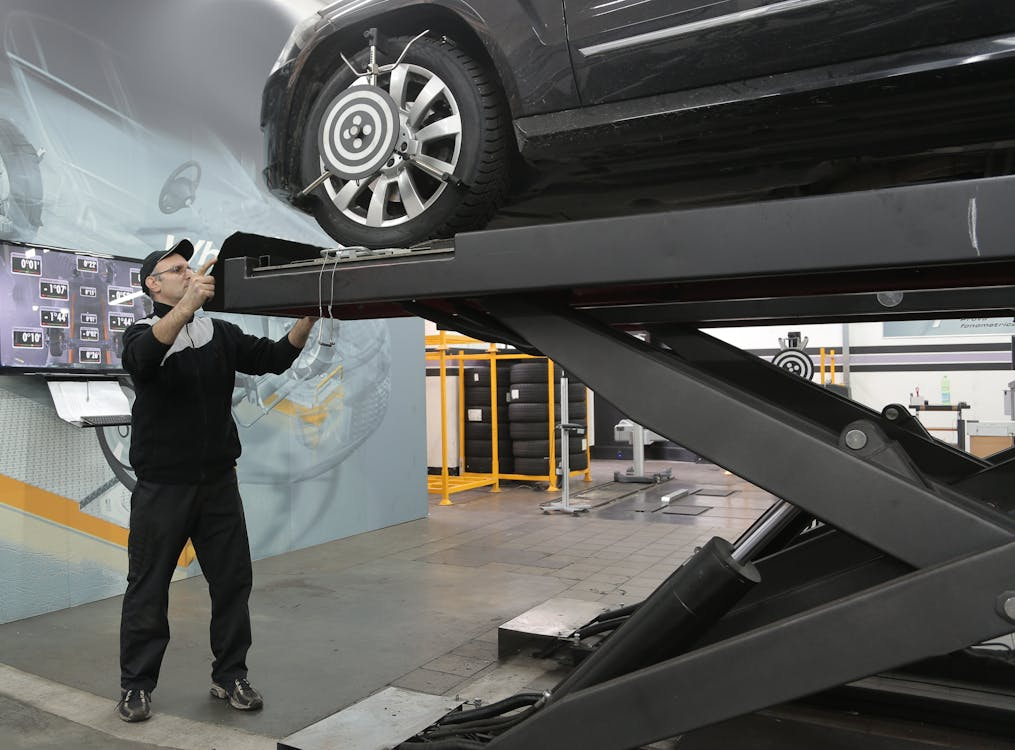
How Wheels Become Unbalanced
Over time, various factors contribute to wheel imbalance:
- Normal wear and tear – Tires wear unevenly depending on road conditions and driving habits.
- Hitting potholes or curbs – Sudden impacts can shift wheel weights or slightly bend rims, leading to an imbalance.
- Manufacturing inconsistencies – Even new tires and wheels may have slight weight differences.
- Tire repairs – Patching a tire can cause an uneven weight distribution.
Many people confuse wheel balancing with tire balancing, but they refer to the same process. However, vehicle alignment is a separate service that adjusts suspension angles to keep wheels properly positioned. Both services are essential for optimal performance.
Signs That Your Wheels Need Balancing
Unbalanced wheels can cause several noticeable symptoms. Ignoring these signs can lead to long-term vehicle issues and increased maintenance costs.
Common Indicators of Wheel Imbalance
- Vibrations in the Steering Wheel or Seat – If you feel vibrations in the steering wheel at certain speeds, it’s often due to unbalanced front wheels. Vibrations in the seat indicate rear-wheel imbalance.
- Uneven Tire Wear – If some tires wear down faster than others, it may be due to an imbalance affecting tread contact with the road.
- Increased Fuel Consumption – Unbalanced wheels create additional resistance, forcing the engine to work harder and burn more fuel.
- Vehicle Pulling to One Side – While this is usually a sign of misalignment, severe imbalance can also contribute to steering issues.
- Noisy Tires – Unbalanced wheels may cause an unusual thumping or humming noise while driving.
If you notice any of these issues, it’s time to schedule a wheel balancing service.
How Wheel Balancing Affects Your Ride Quality
A properly balanced set of wheels makes a noticeable difference in driving comfort. Without wheel balancing, drivers may experience discomfort, instability, and increased stress on the vehicle’s components.
The Impact on Driving Comfort
- Reduced Vibrations – A balanced wheel eliminates unnecessary shaking, allowing for a smooth ride, especially on highways.
- Better Handling and Steering Response – With even weight distribution, your car responds more accurately to steering inputs.
- Less Strain on Suspension and Steering Components – Unbalanced wheels place additional stress on shocks, struts, and bearings, leading to premature wear.
By keeping your wheels balanced, you ensure a safer and more enjoyable driving experience.
The Role of Wheel Balancing in Tire Longevity
Tires are one of the most expensive components to replace, and tire longevity depends heavily on proper maintenance. One of the leading causes of tire wear is wheel imbalance.
How Wheel Balancing Prevents Uneven Tire Wear
- Even Tread Contact – Balanced wheels allow tires to make uniform contact with the road, reducing uneven wear patterns.
- Prevention of Bald Spots – Unbalanced wheels can cause patches of excessive wear, leading to dangerous bald spots on the tire.
- Extended Tire Lifespan – Regular wheel balancing prevents excessive tread wear, meaning you get the most mileage out of your tires.
By incorporating wheel balancing into routine maintenance, you protect your investment and ensure maximum safety on the road.
How Often Should You Get Your Wheels Balanced?
There’s no strict rule for when to get a wheel balancing service, but experts recommend balancing your wheels:
- Every 5,000 – 7,000 miles (typically with tire rotations).
- When you install new tires or replace a wheel.
- After hitting a significant pothole or curb.
- If you experience any of the imbalance symptoms mentioned earlier.
Frequent highway driving, off-roading, or carrying heavy loads may require more frequent balancing. If in doubt, consult a professional technician.
The Wheel Balancing Process: What to Expect
Understanding how professionals balance wheels can give you confidence in the process.

Step-by-Step Wheel Balancing Process
- Wheel Removal – The wheels are removed from the vehicle.
- Mounting on a Balancing Machine – Each wheel is placed on a specialized machine that spins it to detect weight distribution issues.
- Identifying Imbalance Areas – The machine pinpoints areas where additional weight is needed.
- Applying Counterweights – Small wheel weights are strategically placed to balance the tire.
- Reinstallation and Testing – The balanced wheels are reattached, and a final check ensures optimal performance.
This precise process ensures that weight is evenly distributed for the best driving experience.
The Difference Between Wheel Balancing and Vehicle Alignment
While often confused, wheel balancing and vehicle alignment serve different purposes.
Key Differences
- Wheel Balancing corrects uneven weight distribution in the wheels and tires.
- Vehicle Alignment adjusts suspension angles to keep all wheels parallel and straight.
Both services improve driving comfort, prevent tire wear, and contribute to overall vehicle safety. It’s best to perform both services together as part of routine maintenance.
Wheel balancing is a critical maintenance step that enhances driving comfort, prevents uneven tire wear, and extends the life of your tires. If left unchecked, unbalanced wheels can cause steering issues, uncomfortable vibrations, and unnecessary strain on your vehicle’s suspension.
By regularly scheduling a wheel balancing service, you can ensure a smooth ride, improved fuel efficiency, and longer-lasting tires.
If you’ve noticed vibrations, uneven tire wear, or poor ride quality, don’t wait—schedule a professional wheel balancing service with Joe’s Auto Electric II today! Keeping your wheels balanced ensures a safer and more comfortable driving experience.