Looking for Car AC Repair? Here Are 5 Things You Need to Know About Modern Systems
There is nothing quite like that first blast of cold air on a humid July afternoon in Middletown. You know the feeling: you’ve been parked in the sun, the interior of your car feels like a literal oven, and you desperately reach for that “MAX AC” button. But what happens when that blast of air is lukewarm, or worse, smells like a damp basement?
Suddenly, your commute down Route 66 or your quick trip to the grocery store feels like a marathon in a sauna.
If you’re currently dealing with a sweating steering wheel and a foggy windshield, you might be looking for car AC repair. But before you just “hope for the best” or try a quick fix from a retail store, it’s important to understand that modern automotive air conditioning systems have changed a lot over the years. At Joe’s Auto Electric II, we’ve been serving this community for over 80 years. We’ve seen AC systems evolve from the simple “ice box” style units to the complex, computer-controlled climate systems found in today’s high-tech vehicles.
To help you stay cool and save money, we’ve put together the five most important things you need to know about modern car AC repair.
1. The Compressor is the Heart of the System
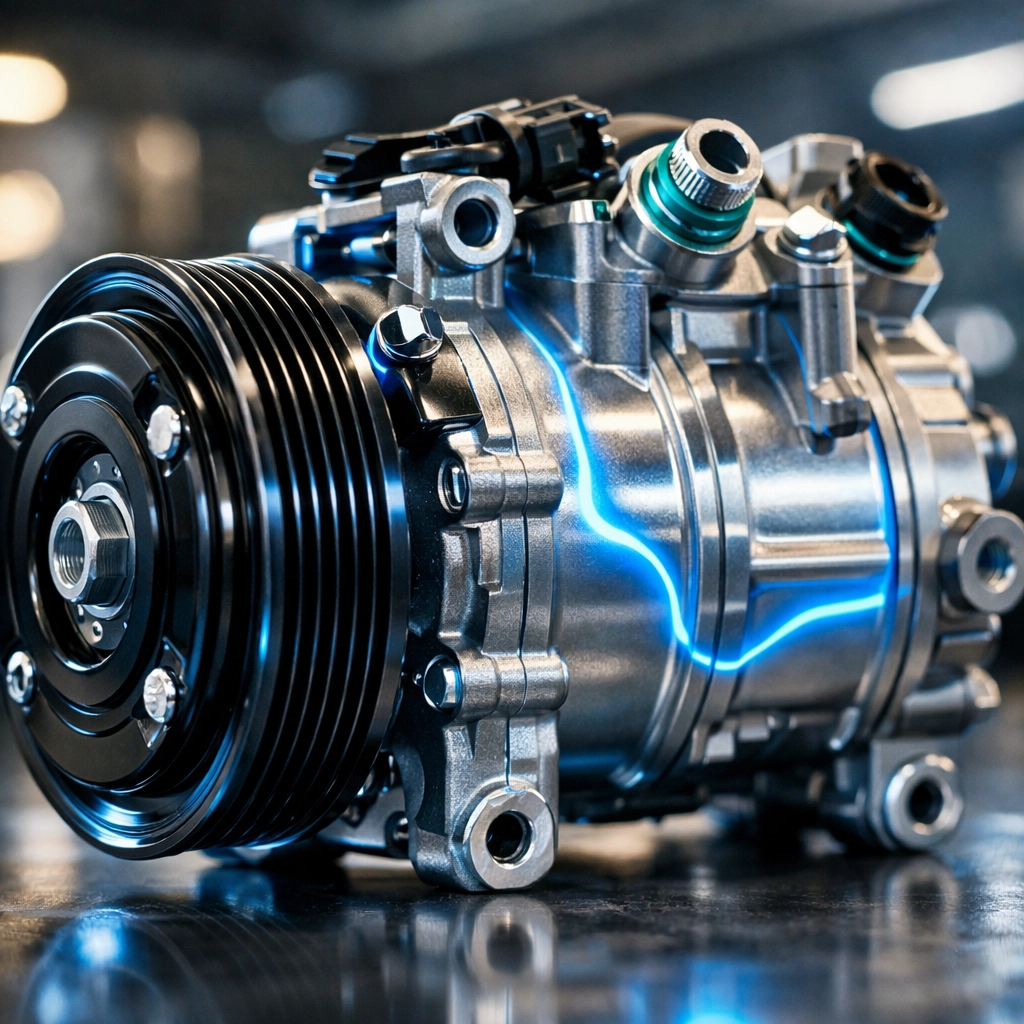
When it comes to your car’s AC, the compressor is the “big boss.” Just like your heart pumps blood through your body, the compressor pumps refrigerant through the entire system. It’s a mechanical pump driven by a belt connected to your engine.
In modern cars, the compressor is a highly precision-engineered piece of equipment. If it fails, the entire system stops working immediately.
Why it matters to you:
Many people think that if the air isn’t cold, they just need more “freon.” However, if your compressor has seized or its internal seals have failed, adding more refrigerant won’t do a thing. In fact, if a compressor fails internally, it can send tiny metal shards through the rest of your AC lines, effectively “contaminating” the whole system.
This is why we use state-of-the-art diagnostic equipment to test the compressor’s health before we recommend any repairs. Understanding the difference between a simple electrical glitch and a mechanical compressor failure is the difference between a minor fix and a major overhaul.
2. Your System Uses Very Specific (and Sensitive) Refrigerants
Back in the day, everyone knew about R-12 (which was eventually phased out for environmental reasons). Then came R-134a, which was the standard for decades. However, if you drive a vehicle made within the last several years, there is a high chance it uses a newer refrigerant called R-1234yf.
This newer refrigerant is much better for the environment, but it requires specialized, highly accurate machines to service. You can’t just mix and match these chemicals.
The Precision Factor:
Modern AC systems are designed to hold a very specific weight of refrigerant: often measured to the ounce. If you are even slightly overcharged or undercharged, the system won’t cool properly, and it can even put dangerous pressure on your seals. This is why those “DIY recharge cans” from the hardware store can be so risky. Without the gauges and scales we use at Joe’s Auto Electric II, you’re essentially guessing.
Precision isn’t just a luxury; it’s a requirement for modern climate control.
3. AC Components are Interdependent
Imagine a relay race where one runner forgets to show up. It doesn’t matter how fast the other three runners are; the team isn’t going to finish the race. Your AC system works exactly the same way. It relies on a delicate balance between:
- The Condenser: Usually sits right in front of your radiator and sheds the heat.
- The Evaporator: This is inside your dashboard and is where the actual “cooling” happens.
- The Expansion Valve: The “gatekeeper” that controls the flow of refrigerant.
- The Receiver/Dryer: The filter that keeps moisture and debris out of the system.
If your condenser is clogged with Middletown road grime or leaves, your compressor has to work twice as hard. If your cabin air filter is clogged, the evaporator might freeze up.
Because everything is connected, we don’t just look at the part that’s broken: we look at the why. This holistic approach is why the importance of auto diagnostics cannot be overstated. We want to find the root cause so you aren’t back in our shop two weeks later with the same problem.

4. Regular Maintenance is an Investment, Not an Expense
We often tell our customers to think of AC service like dental hygiene. You can either pay for the regular cleanings (preventative maintenance), or you can wait for the toothache and pay for a root canal (major repair).
In the world of automotive repair, preventative maintenance is always the cheaper route.
The “Peace of Mind” Check:
During a standard AC check, we look for:
- Tiny leaks in hoses that could lead to big problems later.
- Worn belts that might snap and leave you stranded.
- Proper airflow through the vents.
- Cabin air filter cleanliness (this affects the air you actually breathe!).
Middletown weather can be unpredictable. We go from freezing winters to sweltering, humid summers. This constant expansion and contraction of rubber seals and metal parts can cause leaks to develop over time. Catching a small leak now can save you from replacing a $1,000 compressor next year.
5. Modern Systems are “Smarter” Than You Think
Gone are the days when a simple cable moved a flap to let in cold air. Modern cars use AC Control Modules and a network of sensors to manage your comfort. These sensors monitor everything from the outside ambient temperature to the sunlight hitting your dashboard (sunload sensors) and even the pressure inside the AC lines.
If a sensor fails, your car’s computer might “disable” the AC to protect the engine, even if the mechanical parts are perfectly fine.
Why DIY is getting harder:
Because these systems are integrated into the vehicle’s main computer, diagnosing an AC issue often requires high-end scanning tools. At Joe’s Auto Electric II, we combine our 80-year family legacy of “mechanical intuition” with the latest digital diagnostic tech.
If your car’s computer is throwing a code because a blend door motor is stuck, we can find it without tearing your entire dashboard apart. This saves us time and saves you labor costs.

When Should You Seek Help?
Don’t wait until you’re literally melting in the driver’s seat. If you notice any of the following, it’s time to give us a call:
- Weak Airflow: Even on the highest setting, the air barely reaches you.
- Strange Noises: Squealing, grinding, or clicking when you turn the AC on.
- Odd Smells: A musty or “locker room” scent coming from the vents.
- Water on the Floor: If the passenger side floorboard is damp, your AC drain line might be clogged.
- The “Clicking” Problem: If you hear clicking but no air, it could be an electrical issue. For more on electrical gremlins, check out our post on car won’t start clicking vs no crank.
Experience You Can Trust in Middletown
For over eight decades, the families of Middletown have trusted Joe’s Auto Electric II to keep their vehicles running smoothly. We aren’t just a big-box franchise; we are your neighbors. We understand that your car is how you get to work, how you drop the kids off at practice, and how you enjoy your weekend road trips.
Whether you need a simple wheel balancing or a complex AC system overhaul, we treat every car as if our own family were riding in it.
Take Action Today for a Cooler Tomorrow
Don’t let the Connecticut humidity get the best of you this season. Investing in your car’s AC system today is the best way to ensure driving confidence and peace of mind all summer long.
If your AC isn’t performing the way it used to, or if you just want a “wellness check” before the peak of summer hits, come see us. We’ll use our decades of experience and modern tools to get you back on the road in comfort.
Ready to chill out?
Visit our main website to learn more about our services or browse our blog for more tips on keeping your vehicle in top shape. From choosing the right brake pads to knowing when to seek transmission repair, we’ve got you covered!
Drive safe, stay cool, and we’ll see you at the shop!